A Journey into the Samba de Roda
When you think of music in Rio, two sounds usually come to mind: the explosive, thunderous percussion of Carnaval and the smooth, melancholic whisper of Bossa Nova on an Ipanema breeze. But there is a third sound, a heartbeat that is perhaps the most authentic of all. It’s the sound of a hot Monday or Friday night, of a crowded square, of a cavaquinho (a small, high-pitched guitar) slicing through the humid air, and of hundreds of voices singing in unison. This is the samba de roda, the samba circle.
It is far more than a casual jam session; it is a profound, living ritual. To experience a true samba de roda is to step out of the tourist postcard and into the city’s very soul. It is a raw, joyful, and deeply human gathering that provides a direct, unbroken connection to the Afro-Brazilian roots that form the foundation of all Brazilian music.

A 'samba de roda' is not a performance; it's a communal gathering where the line between artist and audience disappears.. source: s2rio.
From Africa to the Docks of Rio
The story of samba is a story of resilience, resistance, and identity. Its roots are planted firmly in West Africa, in the percussive traditions and communal dances like the Semba from Angola, brought to Brazil by enslaved Africans. In the state of Bahia, these traditions were preserved and syncretized within the cultural-religious gatherings of Candomblé. For centuries, this music was a private language of spiritual and cultural survival.
After the abolition of slavery in 1888, a massive migration of Afro-Brazilians from Bahia to Rio de Janeiro began. They settled in the port district, in neighborhoods like Saúde and Gamboa, an area that became known as Pequena África or "Little Africa." This neighborhood is the cradle of samba as we know it.
It was here, in the homes of revered matriarchs known as the Tias Baianas ("Bahian Aunts"), that the samba de roda truly took shape. The most famous of these women, Tia Ciata, hosted legendary gatherings in her backyard. At a time when samba was actively criminalized and police persecuted musicians, her home was a sacred, protected space where the music could flourish.
The Soil from Which Carnaval Grew
It is impossible to understand the spectacle of Carnaval without first understanding the intimacy of the samba de roda. The two are inextricably linked. The rodas held in Pequena África were the incubators. The musicians and revelers who gathered in these backyards eventually began to organize into blocos (street groups) to parade during the Carnaval season. Over decades, these blocos evolved into the massive, highly organized Escolas de Samba (Samba Schools) that compete in the Sambadrome today.
But the two experiences are vastly different. Carnaval is a samba-enredo, a structured song performed for a massive audience in a linear, spectacular parade. The samba de roda is the source code. It is participatory, not presentational. It is circular, intimate, and improvisational. It’s the rich, historic soil from which the giant, glittering tree of Carnaval grew. To see Carnaval is to be dazzled; to join a samba de roda is to understand where it all came from.

The musicians, or 'sambeistas', are the center of gravity, a respected circle that holds the community's history and rhythm.
The Magic of the Circle Today
Today, this ritual is alive and well, most famously at Pedra do Sal in Pequena África. On Monday nights, this historic stone steps—a place where salt was once unloaded by enslaved workers—transforms into one of the most vibrant street parties in the world.
Because this is a community event, there are unspoken rules that maintain the energy. The first is reverence for the musicians at the table. This is their space. The open center of the circle is for dancing, and you'll often see the miudinho, an intricate, subtle dance style. But the most important "rule" is that everyone sings. The sambeistas will sing the verses, but the chorus—the refrão—belongs to the crowd. There is an electric moment when the lead singer cues the chorus, and hundreds of voices roar the words back in perfect time. This is the "communal magic." It is the moment the circle becomes one, a shared expression of joy and cultural memory.
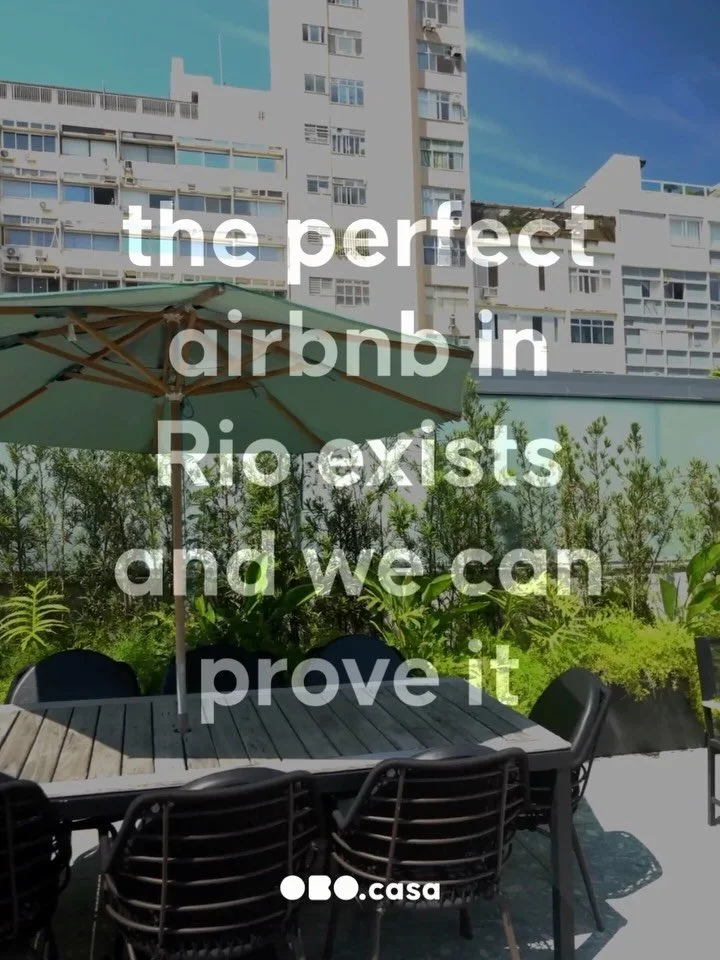

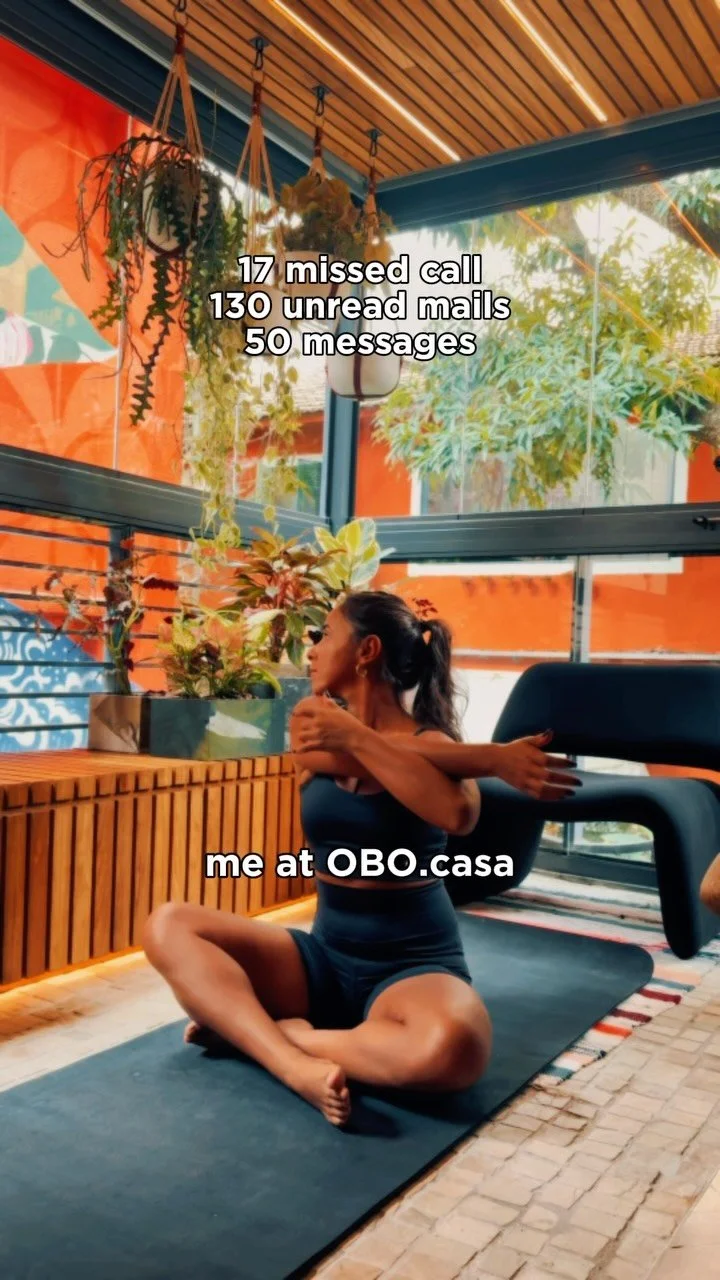


Your serene, modern sanctuary in Ipanema—the perfect place to relax and reflect after a night of deep cultural immersion.
Your Sanctuary After the Samba
Diving into the hot, crowded, and visceral energy of a samba de roda at Pedra do Sal is an unforgettable, must-do Rio experience. It’s also an intense one. This is the beauty of curating your perfect Rio journey: you can have both the raw authenticity and the serene retreat.
Staying at OBO Casa in Ipanema allows you to craft this perfect balance. You can step out of your sophisticated, modern sanctuary, take an easy Uber or taxi ride into the historic heart of the city, and immerse yourself completely in the music, heat, and history of the samba. Then, when the last song has been sung and the drums fade, you can return to the cool, quiet luxury of your private apartment, a world away from the (beautiful) chaos. It's the ultimate "best of both worlds," allowing you to be a true cultural historian by night and a rested, restored traveler by day.
To hear the samba de roda is to hear the real, unfiltered heartbeat of Brazil. It’s a lesson in history, a display of incredible musical talent, and a powerful reminder that the greatest experiences are often the ones we share.

Use code VOLTELOGO for your insider discount.
... and begin your journey.