Decades before samba commanded the parade grounds or bossa nova emerged from beachfront living rooms, Rio de Janeiro invented its own urban chamber music: choro. Emerging in the late 1870s in the working-class quarters of Cidade Nova, this intricate instrumental genre fused European dance forms—polkas, waltzes, and schottisches—with the syncopated counter-rhythms of Afro-Brazilian percussion and cadence.
Often called chorinho, it is not mournful despite its name (derived from chorar, to weep), but rather marked by technical agility, wit, and virtuoso improvisation. Experiencing a traditional roda de choro today offers a direct antidote to stadium shows and loud beach clubs. It is music played around a simple wooden table, entirely unamplified, where listeners gather to hear musicians hold a subtle, rapid-fire musical conversation.
RESERVE NOW
The Anatomy of an Acoustic Roda
Unlike genres structured around verse and chorus, choro is pure instrumental counterpoint. Understanding the setup helps you appreciate the musical dialogue taking place:
The Lead Voice: The melody is carried by high-register instruments capable of rapid phrasing—typically the bandolim (an eight-string teardrop mandolin popularized by master Jacob do Bandolim), the classical flute, or the clarinet.
The Harmony and Rhythm Base: The cavaquinho (a small four-string instrument with steel strings) acts as the engine, laying down relentless harmonic syncopation alongside a classical six-string guitar.
The "Baixaria" (Low-End Counterpoint): The foundational sound of choro relies on the violão de 7 cordas (seven-string classical nylon guitar). The player uses the extra low-C or low-B string to improvise winding bass runs that actively converse with the lead flute or bandolim.
Percussive Pulse: Percussion is minimalist. A single pandeiro (hand frame drum), tuned low and played with thumb rolls and palm strikes, dictates the rhythm alongside an occasional afoxé or metal ganzá.
The repertoire draws on historic compositions by Pixinguinha, Chiquinha Gonzaga, and Ernesto Nazareth, with musicians trading solos and dynamic key changes without reading sheet music.

The intricate acoustic interplay and rapid bass counterpoint of a traditional roda de choro.
Where to Hear Choro in Rio
The best choro sessions take place in spaces where acoustics and tradition take precedence over commercial production.
Casa do Choro (Centro Histórico)
Located on historic Rua da Carioca, Casa do Choro is the genre's institutional sanctuary. Housed in a neoclassical 19th-century townhouse, the institution was founded by renowned multi-instrumentalists Luciana Rabello and Maurício Carrilho to document and preserve thousands of historic scores.

Beyond its music school, the building features an intimate, acoustically engineered auditorium where top-tier instrumentalists perform ticketed concerts.
Arriving an hour early allows you to browse the photographic archives and enjoy a quiet espresso in the internal courtyard before the performance.
Bip Bip (Copacabana)
Occupying a modest 20-square-meter storefront on Rua Almirante Gonçalves, Bip Bip is legendary among Carioca musicians. Run for decades under the uncompromising eye of the late community activist Alfredinho, the bar operates on a strict code of conduct: silence during performances, beer retrieved directly from the refrigerator on an honor-system tab, and finger-snapping instead of loud applause so neighbors can sleep.
Sunday evenings are traditionally dedicated to choro. World-class players squeeze onto three wooden chairs inside the doorway, drawing an appreciative crowd that spills across the sidewalk with cold drinks in hand.

Unamplified musicians and time-honored neighborhood etiquette outside Bip Bip.
Praça São Salvador (Laranjeiras)
For a relaxed daytime setting, head to the square in leafy Laranjeiras on Sunday mornings around 11:00 AM. Under the shade of mature ficus trees and surrounded by art deco residential buildings, local choro groups set up their instruments by the central bandstand.
The atmosphere is distinctly multi-generational: neighborhood families, retirees, and musicians gather around the perimeter while surrounding botecos pour draft beer and serve pastéis. It is an unpretentious, open-air showcase of how choro remains part of weekly neighborhood life.
Listening Etiquette for an Acoustic Night
Because choro relies on delicate acoustic balances rather than PA systems, approaching a roda requires a few simple considerations:
Lower the Ambient Volume: While casual conversation is fine at larger outdoor squares, indoor venues like Casa do Choro or Bip Bip demand your attention. Speaking loudly over an acoustic flute or mandolin solo is considered poor manners.
Arrive for the Soundcheck: Rodas tend to start unceremoniously with musicians warming up their fingers over standard choros like "Carinhoso" or "Noites Cariocas". Arriving 30 minutes before the announced start guarantees you a seat within earshot of the table.
Watch the Left Hand of the 7-String Guitar: Pay attention to the seven-string guitarist. The technical ability required to improvise walking basslines while anchoring the rhythm is the mark of a seasoned Brazilian player.













Returning to an Acoustic Sanctuary in Ipanema
After an evening immersed in the intricate counterpoint of historic taverns, returning to a peaceful environment is essential.
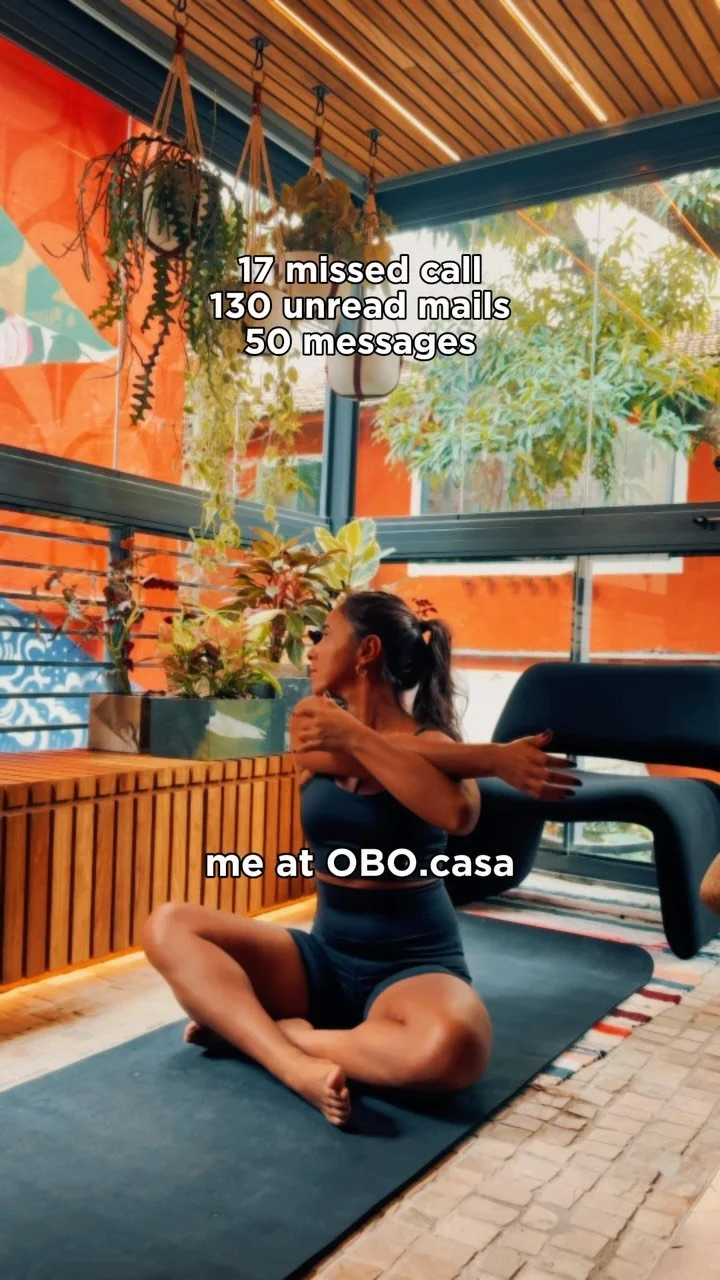
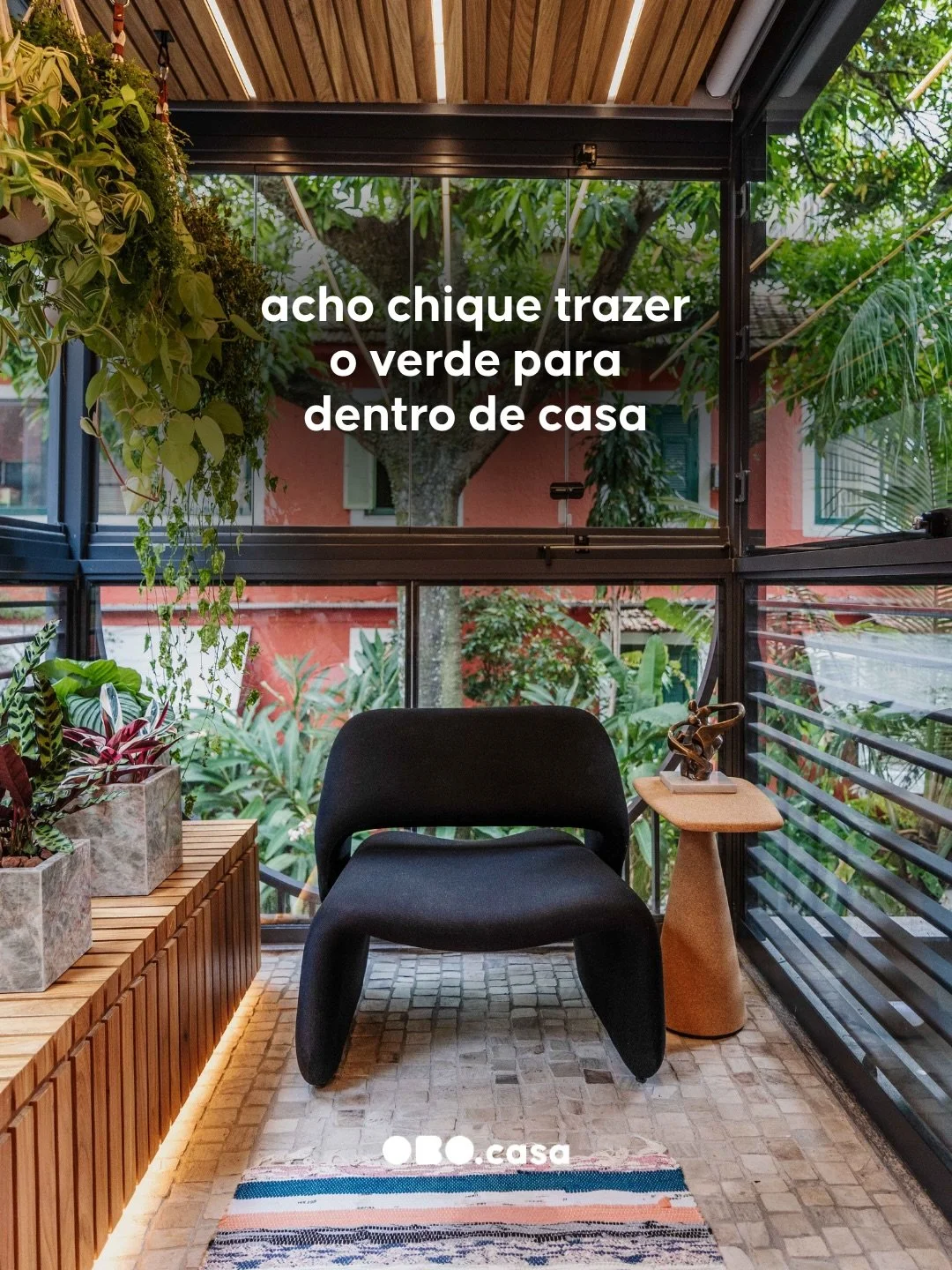
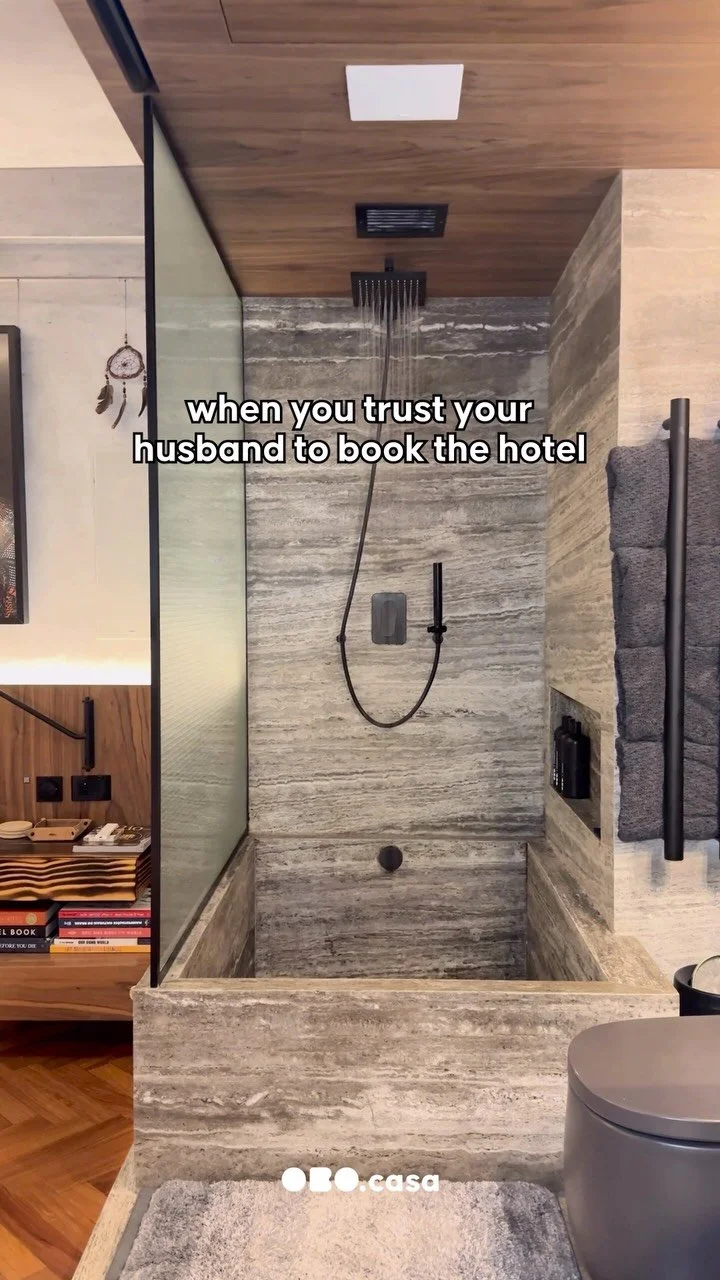
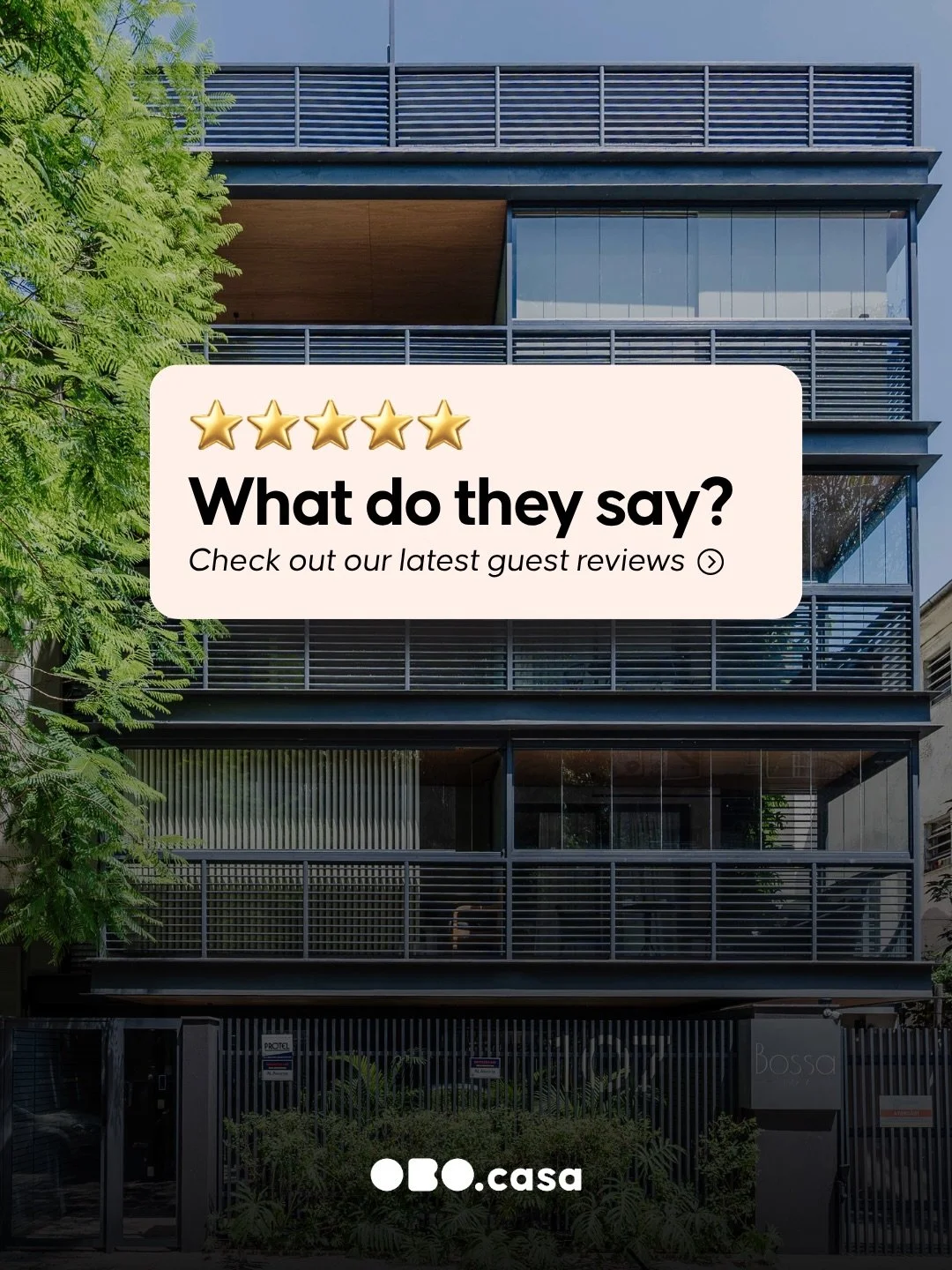
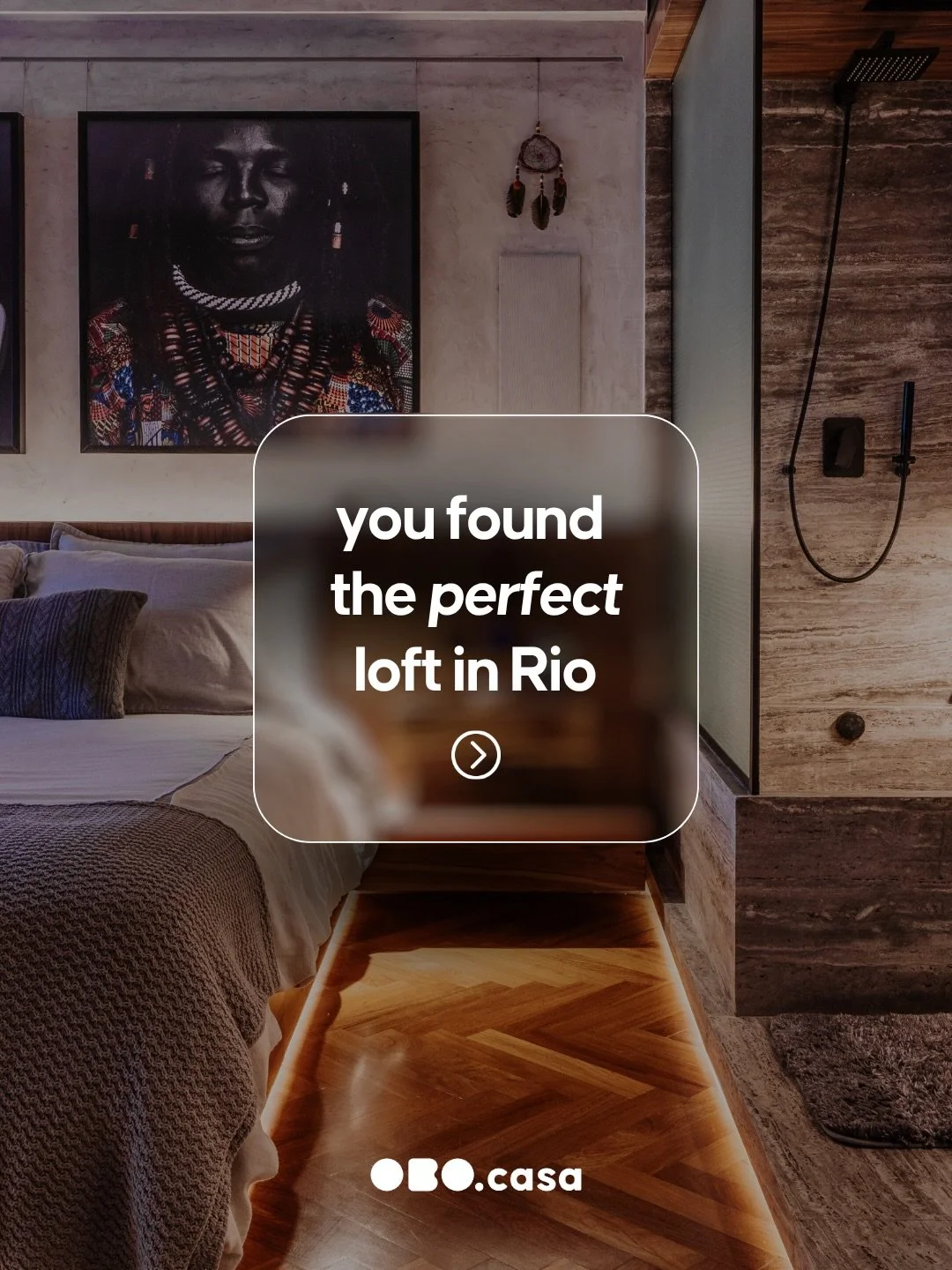
At OBO Casa, our lofts on Rua Barão da Torre are engineered around acoustic quiet. Fitted with European double-glazed windows, dense soundproofing insulation, and natural wood surfaces, our spaces provide complete sensory relief from the city’s pulse. Whether tuning into a vinyl record of Jacob do Bandolim or unwinding on your private balcony with an evening espresso, our lofts provide a refined sanctuary in the heart of Zona Sul.
RESERVE NOW
Use code VOLTELOGO for your insider discount.
... and begin your journey.