Navigating Rio’s Year-Round Festivals and Summits
Brazil Carnival dominates the global imagination, but Rio’s event calendar is a year-round celebration of culture, music, and spectacle. From the explosive energy of Carnival and Réveillon Copacabana's New Year’s fireworks to world-class festivals like Rock in Rio and intimate cultural gatherings, this city never stops moving.
Whether you are planning around annual events in Rio for business travel or seeking the perfect cultural milestone to anchor your vacation, understanding the rhythm of the city's calendar transforms a trip into an authentic insider experience.
Rio Carnival: The World's Greatest Street Celebration
When and Where Carnival Takes Place
The timing of Brazil Carnival shifts annually because it follows the Catholic liturgical calendar, taking place seven Sundays before Easter Sunday. Because Easter is determined by the full moon occurring between March 22 and April 26, Carnival can fall anywhere from early February to early March.
Carnival officially runs from Friday through Ash Wednesday. The main Special Group parades take place on Sunday, Monday, and Tuesday nights at the Sambadrome, with Access Group schools performing on Friday and Saturday. The prestigious Champions Parade occurs the following Saturday, featuring the top-ranked schools returning for a celebratory victory lap.
Sambadrome Parades and Samba Schools
The Sambadrome Marquês de Sapucaí seats 72,500 spectators and serves as the competitive arena for Rio's top samba schools. Twelve schools compete in the elite Special Group across three nights, with four schools parading each evening, while 16 schools compete in the Access Group for promotion to the top tier.
Each school receives between 65 and 75 minutes to complete their run down the runway. Nine judges evaluate performances across rigorous criteria, including floats, harmony, costumes, plot narrative, samba theme song, and the synchronization of flag bearers and massive percussion sections (baterias). Schools must field between 2,500 and 4,000 participants, including at least 200 percussionists. Results are officially announced on Ash Wednesday afternoon.
Spectator seating options range from general admission grandstands and open-air trackside boxes (frisas) to air-conditioned VIP luxury hospitality suites (camarotes) and assigned tourist seating in Sector 9.
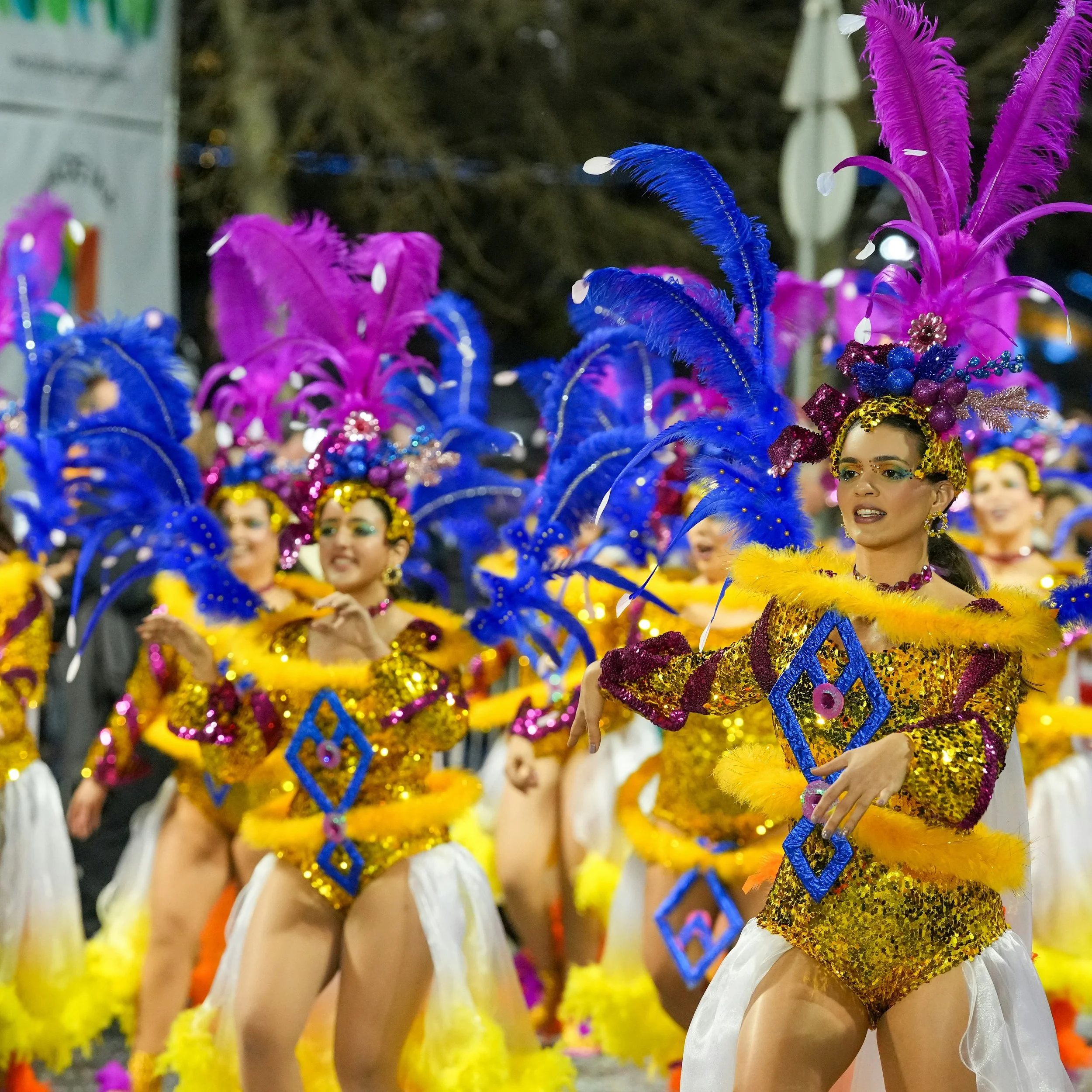
The unmatched spectacle and theatrical precision of Rio's Special Group samba schools.
Street Parties and Blocos
More than 300 blocos take to Rio's avenues and beachfronts during Carnival, drawing over 5 million attendees annually. These neighborhood-based street bands represent the accessible heart of the celebration, requiring no entry tickets:
Cordão da Bola Preta: The city's oldest traditional bloco, regularly drawing over 200,000 revelers through Centro.
Monobloco: Famous for modern samba-funk arrangements, hosting parties in Lapa that attract up to 800,000 people.
Neighborhood Beach Blocos: Key coastal celebrations include Banda de Ipanema, Simpatia é Quase Amor (drawing nearly 100,000 people along Ipanema beach), and Suvaco de Cristo in Jardim Botânico, dancing directly beneath the outstretched arms of Christ the Redeemer.
Costumes and Participation
Marching inside an organized parade or exclusive bloco requires registering for an official costume months in advance. Costume packages vary across tiers: backline costumes offer basic coverage with light trim, midline introduces ornate structural details, and frontline options feature elaborate feather backpacks, headpieces, and custom tailoring. Costumes must be collected locally in Rio prior to the event, as organizations do not ship internationally.
RESERVE NOW
Copacabana's New Year's Eve Celebration
The White Party Tradition
Réveillon Copacabana is officially recognized by Guinness World Records as the largest New Year’s Eve celebration on the planet, welcoming upwards of 2.5 million attendees along the crescent of Copacabana Beach.
The tradition originated in the 1970s when Candomblé practitioners gathered along the shoreline to honor Iemanjá, the goddess of the sea, wearing white clothing and offering flowers to the ocean before midnight. In Afro-Brazilian traditions, white represents peace, hope, and the continuation of life. Many celebrants incorporate colored accessories to manifest specific intentions for the upcoming year:
Yellow or Gold: Wealth and prosperity
Red: Passion and romance
Green: Health and vitality
Blue: Serenity and peace
Purple: Wisdom and spiritual intuition
Pink: Harmony and affection
Pyrotechnics, Drones, and Concerts
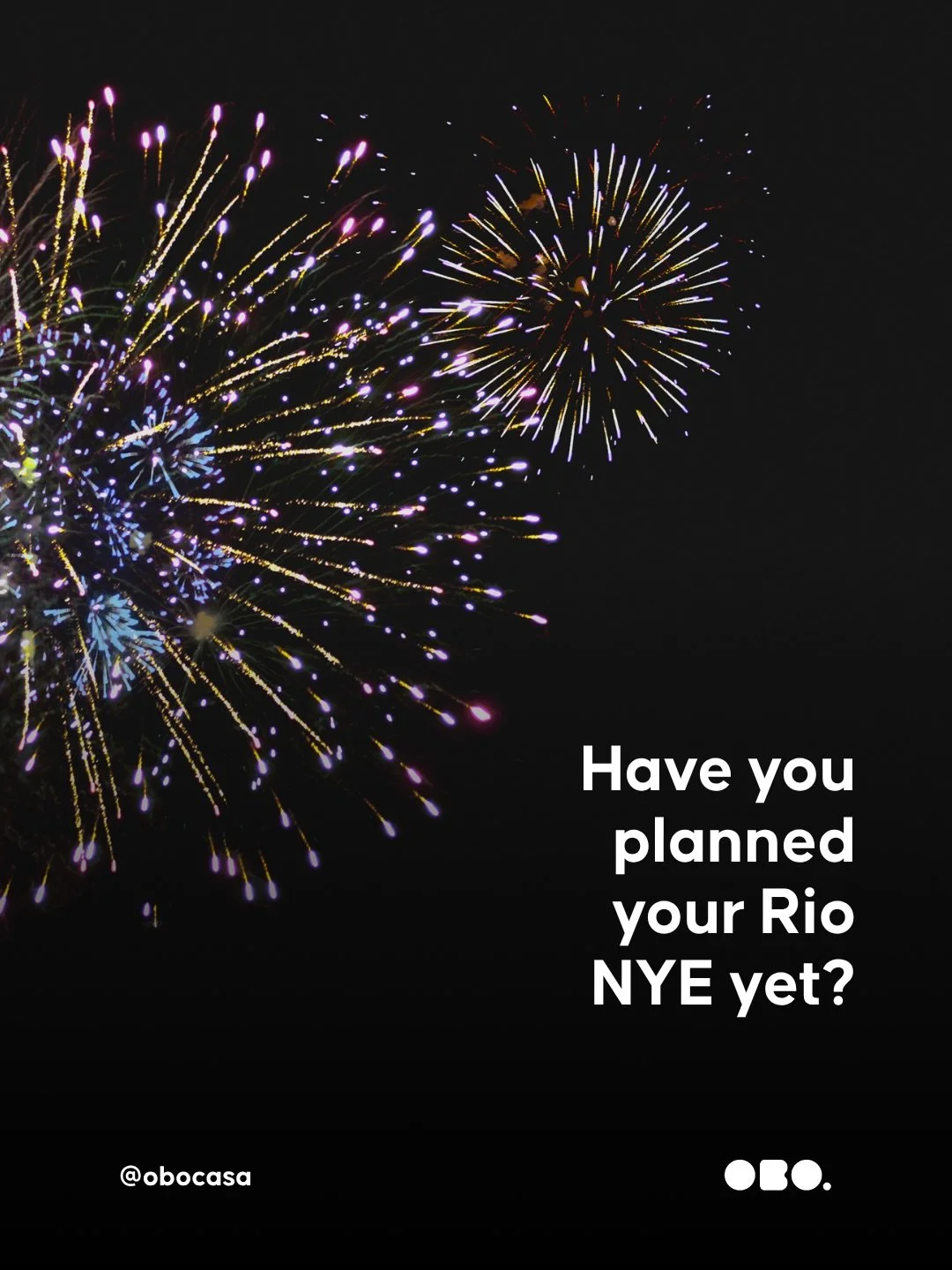
The midnight fireworks display launches approximately 24 tons of pyrotechnics from 11 offshore barges, creating a 12-to-16-minute visual show along the entire beachfront. Major stages host performances throughout the evening by legendary Brazilian artists, complemented by Brazil's largest synchronized drone light displays.
Following midnight, thousands take part in the coastal tradition of jumping seven ocean waves, making a wish with each wave while keeping their faces toward the water out of respect for Iemanjá.
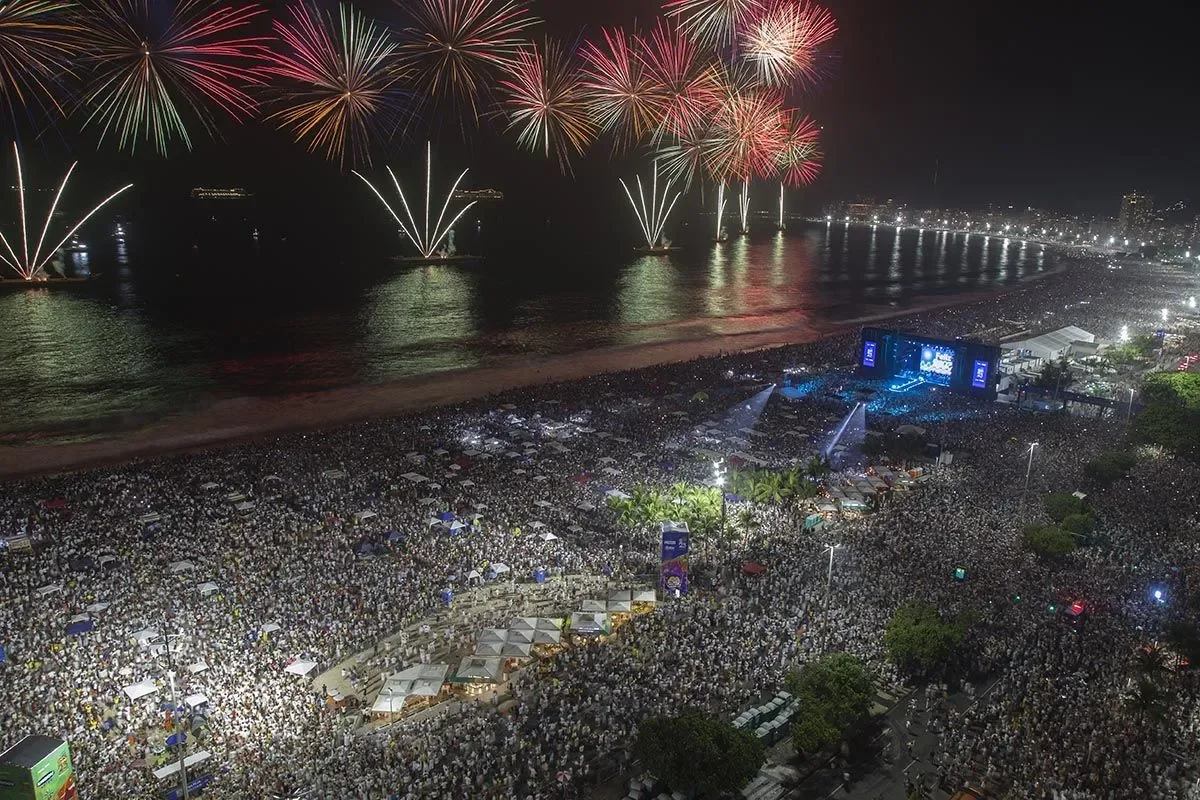
Welcoming the new year during the world's largest beachfront celebration.
Traditional Brazilian Festivals Throughout the Year
Festa Junina (June)
Throughout June, Brazil celebrates the feast days of Santo Antônio (June 13), São João (June 24), and São Pedro (June 29). These June Festivals blend Portuguese colonial heritage with indigenous and Afro-Brazilian customs into vibrant folk celebrations held in an arraial—a decorated space featuring colorful flags, straw ornaments, and a large central bonfire (fogueira).
Participants dress in traditional rural attire, dancing the quadrilha to the upbeat accordion rhythms of forró. The cuisine centers around winter harvest ingredients, featuring roasted corn, pamonha, canjica, bolo de milho, and warm quentão (cachaça infused with ginger, cinnamon, and cloves).
Black Awareness Day (Dia da Consciência Negra – November 20)
Established as a national public holiday, November 20 honors Zumbi dos Palmares, the historical leader of Quilombo dos Palmares who was martyred on this date in 1695. The holiday serves as a profound celebration of Afro-Brazilian culture and heritage, featuring cultural seminars, concerts, art exhibitions, and historical marches across Rio.
Parintins Folklore Festival (Late June)
While hosted in the Amazonian city of Parintins, this festival ranks as Brazil's second-largest cultural celebration after Carnival. Staged over three nights at the 35,000-seat Bumbódromo, two rival associations—Boi Garantido (red) and Boi Caprichoso (blue)—compete in massive theatrical retellings of indigenous folklore, featuring towering animatronic floats and synchronized choreographies.


Major Music and Entertainment Summits
Rock in Rio Festival
Held biannually at the purpose-built Cidade do Rock in Barra da Tijuca, Rock in Rio stands as one of the world's most prominent mega-festivals. Spanning seven days across two consecutive weekends in September, the festival features over six stages—anchored by the massive Palco Mundo and Palco Sunset—hosting international headline acts, world-class sound engineering, and interactive brand experiences. The festival enforces a strict minimum age requirement of 16 and operates dedicated executive transit buses (Primeira Classe) from major neighborhoods directly to the venue gates.
Major Free Beach Concerts
Rio's oceanfront frequently serves as a venue for record-breaking public concerts under major cultural initiatives. Historic performances by artists such as Madonna, Lady Gaga, and Shakira have drawn between 1.6 and 2 million people to the sands of Copacabana, managed by specialized municipal security perimeters, facial recognition monitoring, and comprehensive transit operations.
Rio Music Carnival / Rio Music Conference
Taking place at Marina da Glória during the Carnival season, this event merges an international electronic music conference with open-air nighttime festival stages, drawing global DJs and electronic music industry leaders to the edge of Guanabara Bay.
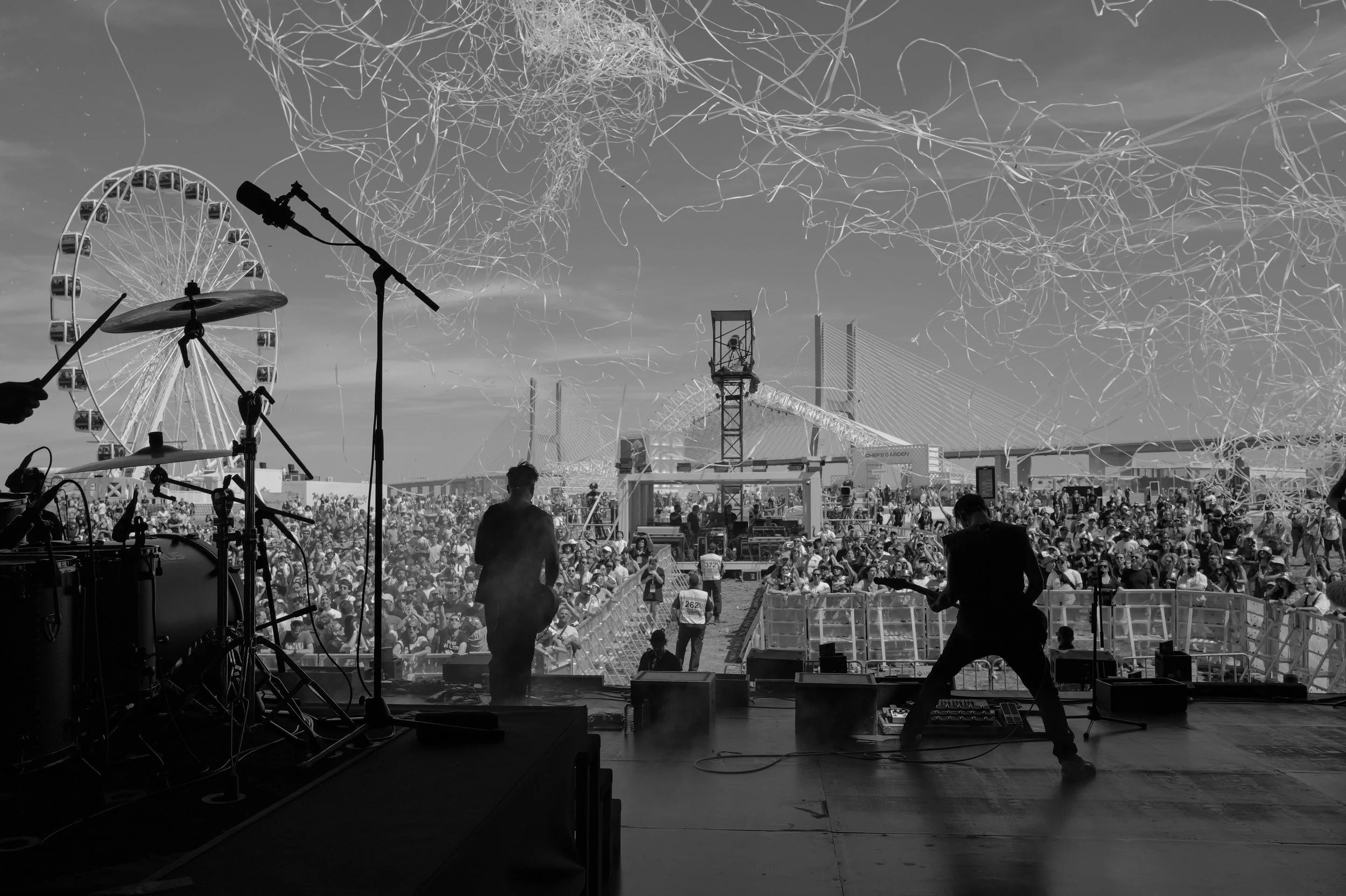
World-class musical productions staged at Cidade do Rock.
Strategic Planning for Rio's Premier Events
Navigating major international gatherings and festivals in Rio requires proactive planning:
Advance Accommodation: Luxury properties in Zona Sul (Ipanema and Leblon) book out months ahead of Carnival and New Year's Eve, typically requiring 4-to-5-night minimum stays.
Seamless Transit: The Rio Metro system remains the fastest and most reliable transit method during major street closures, providing fast, air-conditioned connections between beachfront neighborhoods, Centro, and the Sambadrome.
Event Logistics & Safety: When attending crowded street blocos or public concerts, keep valuables concealed in crossbody bags under clothing, utilize licensed transit services, and confirm return travel routes in advance.
Your Private Sanctuary Amidst the Energy
Rio's event calendar offers extraordinary cultural immersion every month of the year. Experiencing these high-energy spectacles is best balanced with an uncompromising, serene private headquarters where you can retreat and recharge.
At OBO Casa, our lofts in Ipanema are engineered specifically to provide this balance. Located steps from the beach and central transit lines, our properties feature European-standard acoustic soundproofing, automated climate systems, high-speed connectivity, and spacious design layouts, ensuring that your festival experience is paired with absolute comfort and restorative silence.
RESERVE NOW
Use code VOLTELOGO for your insider discount.
... and begin your journey.