Why Travel Rio Like a Tourist When You Can Live Like a Carioca?
Most visitors to Rio de Janeiro chase the same itinerary: Christ the Redeemer, Sugarloaf Mountain and a quick beach photo. Cariocas live differently though. The locals call the beach their "backyard" and spend up to 10 hours there during summer. They treat the sand as an extension of home. They know which barraca serves the best caipirinhas for 10-15 Reais and where Flamengo supporters gather at Maracanã. They also know how to move through the city without looking like an outsider. In this piece, I'll show you how to experience Rio like a local. You'll learn key Carioca slang and understand unwritten beach rules. You'll also find local food and music scenes that change ordinary travel destinations into immersive cultural experiences.

The Tourist Trap vs. The Carioca Experience
Common tourist mistakes in Rio
Most travelers fall into predictable patterns that distance them from authentic Rio experiences. They stay exclusively in Copacabana and Ipanema and miss neighborhoods like Santa Teresa, Lapa, and Centro where the city reveals its character. What is more, distances deceive on maps. A 10-kilometer trip can consume 40 minutes in traffic and ruin tightly packed itineraries.
Noon arrivals at Christ the Redeemer guarantee long lines and harsh lighting. Beachfront restaurants in Copacabana charge astronomical prices for mediocre food. Walk three to five blocks inland and prices drop 25-50%. Tourists also overdress and wear expensive jewelry while carrying full purses. Cariocas embrace casual beach culture. Our Concierge service handles reservations at authentic local spots and avoids these pitfalls. Use promo code VOLTELOGO for priority access to curated travel destinations.
How locals actually spend their time
Cariocas treat the beach as their living room, not a swimming destination. They shower before work, after the beach, before going out, and sometimes just because in Rio's humidity. Havaianas serve as universal footwear for the beach, lunch, banking, and dinner.
Breakfast has cafézinho, lunch happens around 2 PM, and dinner starts at 10 PM or later. Sunday feiras (street markets) become gathering spots where residents buy flowers, eat in the shade, and socialize. Blocos, informal street parties leading up to Carnival, pulse with energy as everyone dances together whatever their attire. Music isn't background noise but oxygen, from impromptu drum circles to samba sessions that erupt at bars. Before any outing, Cariocas become skilled at negotiation with street market vendors and taxi drivers.
The value of authentic cultural immersion
Connecting with locals transforms Rio from a travel bag of sightseeing stops into lived experience. Cultural immersion programs are a great way to get street art walks, cooking lessons with market-fresh ingredients, and capoeira classes that reveal Afro-Brazilian heritage. Responsible favela tours with guides who live in these communities provide context about architecture, art, music, and social initiatives.
Authentic experiences create lasting memories through conversations, flavors, and spontaneous discoveries, unlike rushed itineraries. These moments happen in botecos locals frequent, not tourist-packed beachfronts.
Learn to Speak Like a Carioca
Essential Portuguese words for Rio
Language barriers dissolve faster than you expect when you're armed with specific phrases Cariocas use all the time. E aí? replaces formal greetings and functions as both "What's up?" and "How are you?" with the same phrase as the answer. Valeu serves as casual thanks, much more common than the textbook obrigado/obrigada. Mais uma cerveja (one more beer) becomes essential vocabulary at beach barracas, while a continha, por favor (the little check, please) handles your exit with grace.
Pronunciation trips up most visitors. Replace the h with i for correct pronunciation when words contain "lh" combinations—trabalho becomes trah-ball-yo. Cariocas also transform você into cê in rapid conversation. The diminutive -inho suffix softens requests: cafezinho, pãozinho, continha all sound friendlier than their full forms.
Popular Carioca slang you'll hear daily
Coé (contraction of qual é) opens conversations or expresses outrage depending on tone. Beleza works for greetings, acceptance and excitement all at once. Mermão (from meu irmão) addresses anyone, friend or stranger, while bolado describes someone worried or upset. Cariocas say demorou or já é for agreement when plans succeed .
Maneiro and irado both mean something's cool, whereas sinistro expresses amazement about something extraordinary. Rolé describes any outing, trocar ideia means having a chat, and meter o pé signals it's time to leave.
How language opens doors with locals
Immersion programs demonstrate that brains absorb languages faster when contented and involved. Students pick out specific words in supermarkets and metro stations by week two. They think in Portuguese by week four. Our Concierge service arranges Portuguese immersion experiences with native teachers using promo code VOLTELOGO for priority booking.
Building connections through communication
Attempting Portuguese, even with mistakes, signals respect for Carioca culture. Locals appreciate effort and often help improve pronunciation. This creates natural conversations that are impossible in English-only interactions.
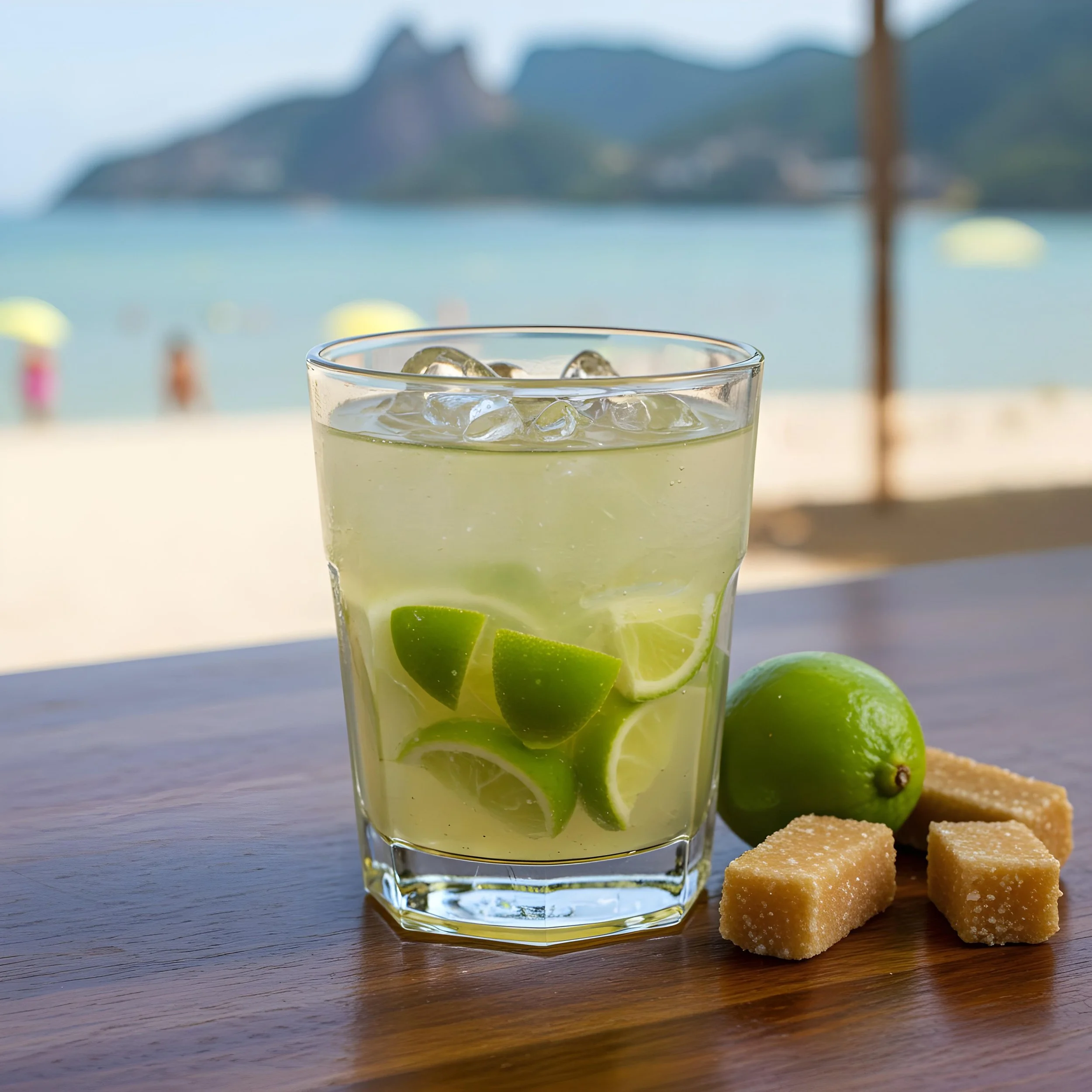
When "mais uma" becomes your most-used phrase in Rio's outdoor office.
Understanding why the beach is home for Cariocas
The beach works as Rio's most democratic public space where CEOs sunbathe next to construction workers. This isn't leisure but lifestyle infrastructure where Cariocas conduct business meetings, celebrate birthdays and resolve personal crises while vendors walk by shouting their offerings through mini microphones.
Following the unwritten rules of beach life
Rio's beaches operate on a posto system, numbered 1 to 12 with roughly half a kilometer between each. Posto 9 in Ipanema attracts the hip crowd, Posto 12 in Leblon serves families, while Posto 8-9 hosts the rainbow-flagged gay beach. Body positivity defines the culture. Women of all ages and sizes wear minimal bikinis called fio dental (dental floss) without self-consciousness. Going topless remains illegal, so keep bikini tops on.
Renting chairs and ordering from barracas
Spread your canga (never a towel) on sand and vendors appear within 30 seconds asking "cadeira e guarda-sol?". Chairs cost 7-12 reais, umbrellas run 15-30 reais for the day. Order drinks and snacks throughout your stay and pay only at departure. Our Concierge arranges beach equipment delivery to your preferred posto using promo code VOLTELOGO.
What to wear and what to avoid bringing
Pack light: small cash amounts, sunscreen and your canga. Leave credit cards, tablets, expensive cameras and backpacks at your hotel. Beaches face pickpocketing risks in Zona Sul.
Best beach destinations to travel solo
Barra da Tijuca offers wider stretches, bigger waves and improved safety due to fewer favelas nearby. Copacabana, Ipanema and Leblon remain safe during daylight with crowds present. Avoid distant beaches like Praia da Reserva or Grumari alone.
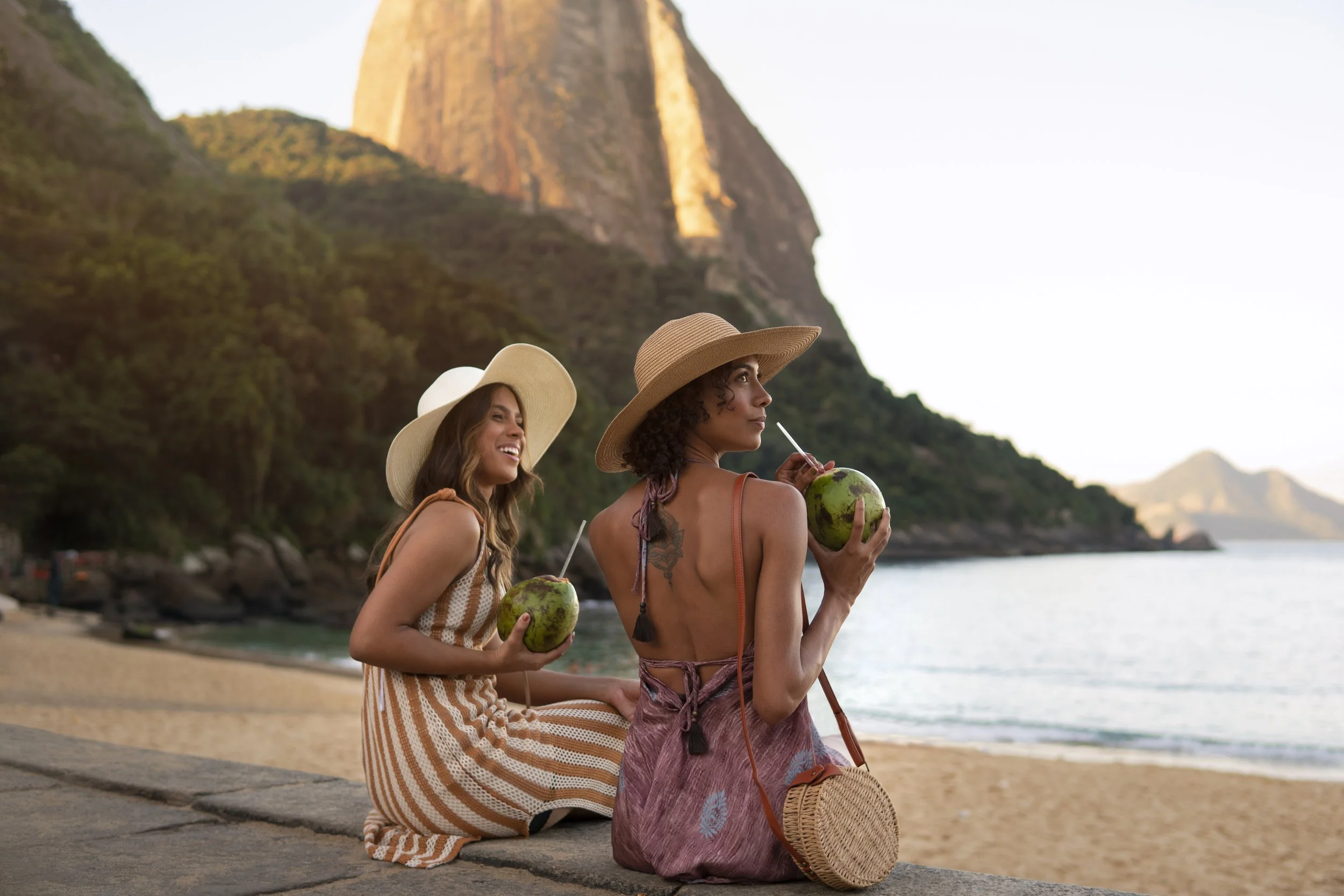
Office setup complete: oceanfront real estate with coconut water delivery service
Dive Into Local Food, Music, and Sports
Finding authentic boteco culture
Botecos function as Rio's great equalizer where executives share counters with artists. The sophistication lies in lack of pretension: ice-cold beer served in copo americano glasses, traditional snacks like bolinho de bacalhau or shrimp pastels, and service where waiters know your name. Portions feed three people with ease, so order therefore.
Catching live samba shows throughout the week
Samba pulses in Rio's neighborhoods on a predictable schedule. Mondays bring Pedra do Sal's open-air roda in Little Africa, where crowds gather on historic stone steps. Thursdays feature SIBC at Fundição Progresso in Lapa. Quality musicianship meets structured cultural venue comfort. Beachfront options include Samba do Orelhão at Kiosk Alalaô in Ipanema. Sunset views pair with talented musicians.
Experiencing football fever at Maracanã
Maracanã Stadium holds 78,800 fans whose roar becomes physical force. Pre-match rituals include bar stops to get local snacks and beer, and learning team chants from supporters. Fans linger for player circles and emotional celebrations after the match.
Where to find these experiences on any travel itinerary
Our Concierge arranges boteco tours and samba venue reservations, plus Maracanã match tickets using promo code VOLTELOGO for priority access.
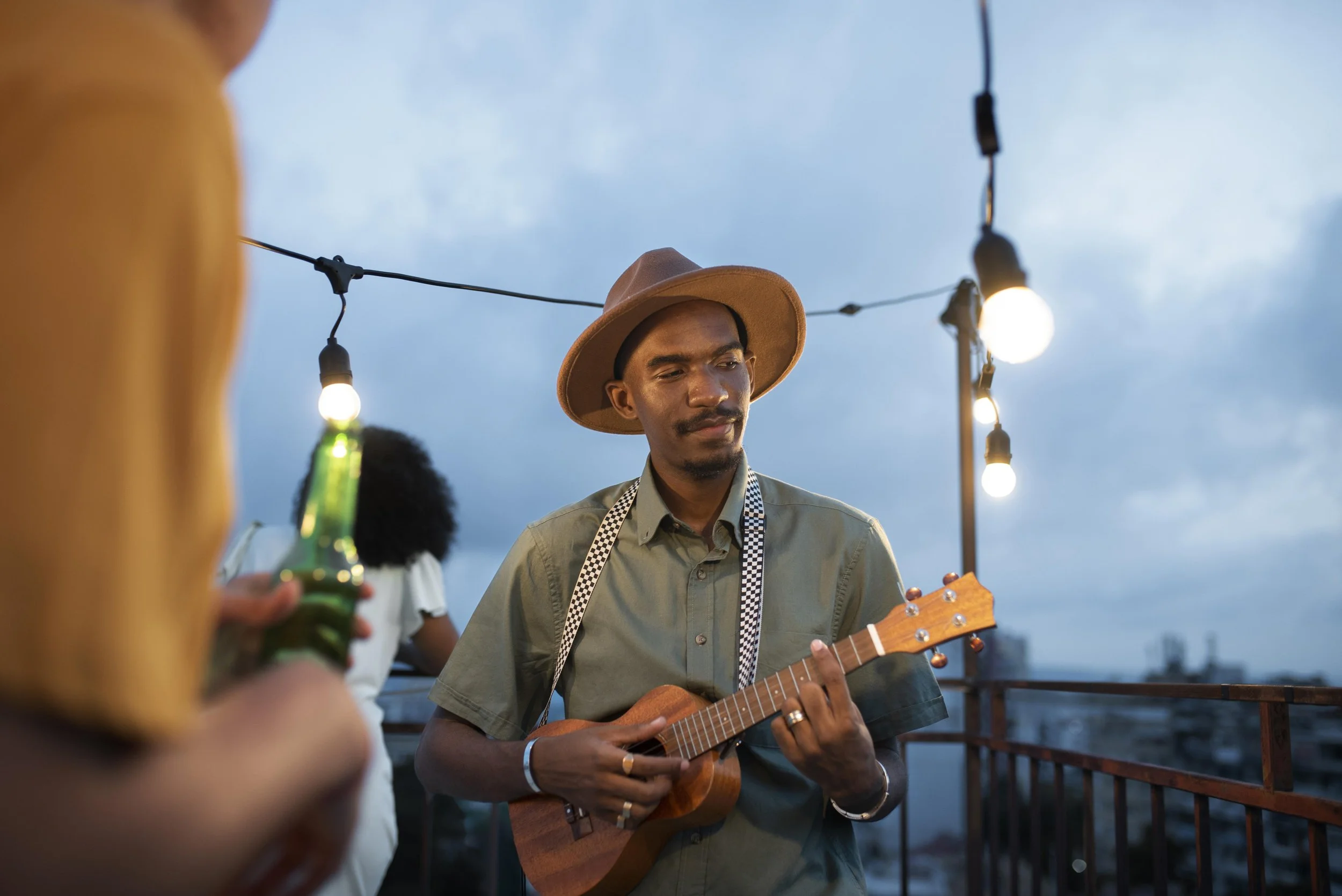
Where spreadsheets meet samba beats and nobody asks about your LinkedIn
Conclusion
Rio rewards those who trade camera rolls to have conversations and guidebooks for real connections. Become skilled at essential slang, respect beach etiquette and find where locals actually eat and dance. The city transforms from tourist destination into lived experience. Our Concierge handles everything from Portuguese immersion classes to boteco reservations and Maracanã tickets. Use promo code VOLTELOGO for priority access. Authentic Rio doesn't need a travel bag full of maps. It just needs cultural curiosity and casual Havaianas.