Rio Food Markets: Sourcing Flavors and Handcrafted Treasures
Most travelers leave Rio de Janeiro with generic beach trinkets and overpriced airport souvenirs. Locals know better. The city’s authentic food market scene offers something entirely different: single-origin regional coffees, small-batch artisanal cachaças, indigenous spices, and handcrafted goods that genuinely represent Brazil's diverse culinary culture.
Stepping beyond tourist corridors allows you to experience where Cariocas shop for real gastronomic treasures. From historic wholesale pavilions to neighborhood weekend fairs, this insider overview explores where Rio’s true flavors live, which items easily clear international customs, and how to navigate the market circuit like a long-time resident.
Iconic Food Markets Where Locals Shop
Rio’s neighborhood markets reveal a multifaceted side of the city where commerce meets culture and culinary sourcing becomes an experience in itself.
Mercado Cobal do Humaitá
Cobal do Humaitá shifts character completely between sunrise and sunset. Early mornings bring fresh produce purveyors, fishmongers, and specialty flower stalls operating under a canopy of leafy trees. As night falls, the open-air patio fills with communal tables as residents gather for cold craft beer, traditional petiscos, and grilled meats.
The vendor selection spans traditional Brazilian botecos, sushi bars, pizzerias, and Mexican eateries, drawing its largest crowds from Wednesday through Sunday. This dual-purpose dynamic makes Cobal ideal for unhurried daytime shopping, particularly for sourcing artisanal raw honey, native hot sauces, and packaged seasonings from specialty dry-goods merchants.
Feira de São Cristóvão (Centro Luiz Gonzaga)
Covering 37,000 square meters in the northern district of São Cristóvão, the Centro Luiz Gonzaga de Tradições Nordestinas hosts nearly 700 permanent stalls dedicated entirely to Brazil's northeastern culture. Attracting over 400,000 visitors each month, it is the largest concentration of northeastern culinary and artisanal traditions outside the Northeast itself.
Open Tuesday through Sunday, the pavilions echo with live forró accordions and stage performances. It is the premier destination for regional ingredients: dried carne de sol, vacuum-packed queijo coalho, cassava flours, bottled butter (manteiga de garrafa), and traditional sweets like rapadura. A nominal entry fee applies at the gate, and the complex features on-site parking for 700 vehicles.
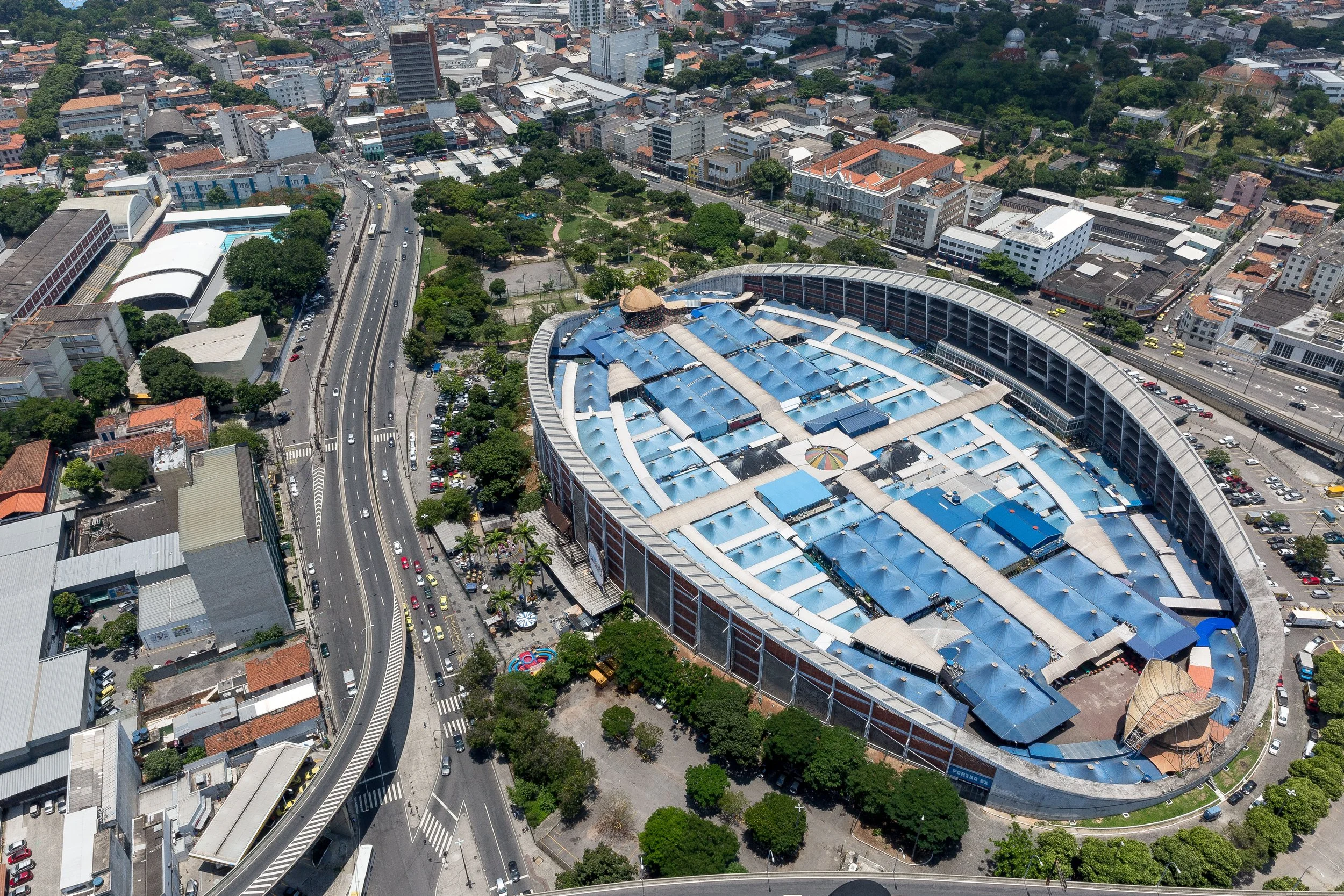
Immersing in authentic northeastern Brazilian gastronomy and culture in São Cristóvão.
CADEG Market (Municipal Supply Center)
Spanning 100,000 square meters with 714 individual commercial units in Benfica, CADEG serves both wholesale culinary professionals and discerning retail shoppers. The market moves between 20 and 30 tons of imported Portuguese cod (bacalhau) monthly—spiking to 300 tons every December—and stands as the state’s primary wholesale flower distributor with over 120 regional growers.
Operating Monday through Saturday, peak wholesale and retail activity occurs between 2:00 AM and noon. Beyond fresh produce, dairy, and grains, CADEG houses renowned independent wine cellars stocking rare national and international vintages. On Saturday afternoons, the market hosts Cantinho das Concertinas, an energetic Portuguese street party featuring freshly grilled cod and live accordion performances from 1:00 PM to 6:00 PM.
Zona Sul & Hortifruti: Modern Gourmet Convenience
Founded in 1959 by Italian immigrants Francesco and Mario Leta, the Zona Sul supermarket chain operates over 40 upscale stores across Zona Sul, Barra da Tijuca, and Centro. Along with high-end grocer Hortifruti, locations throughout Ipanema, Leblon, and Jardim Botânico provide a curated, climate-controlled environment for sourcing vacuum-sealed coffee beans, artisanal sweets, native nut varieties, and regional condiments with verified commercial packaging.
Babilônia Feira Hype
Officially designated as Rio’s cultural and tourist fair under Municipal Law 3005, Babilônia Feira Hype has hosted more than 350 editions since 1996, welcoming over 3.5 million visitors. The curated open-air fair features 120 to 150 independent creators spanning fashion, art, contemporary design, and gourmet gastronomy.
Operating seasonally on weekends from 2:00 PM to 10:00 PM at venues like Parque das Figueiras (Lagoa) and the Jockey Club (Gávea), the market prohibits mass-produced or imported goods, guaranteeing that all food products, hot sauces, and artisanal treats are sold directly by the makers themselves. A modest entrance fee of R$10.00 applies, and carrying cash is recommended as some independent artisans have limited card connectivity.
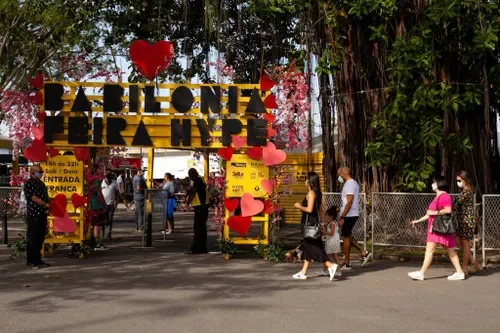
Sourcing authorial design and small-batch gourmet treats along the Lagoa shoreline.
Authentic Gastronomic Souvenirs Worth Sourcing
Bringing authentic flavors home requires skipping tourist gift shops in favor of products rooted in regional agricultural traditions.
Brazilian Specialty Coffee Beans
Brazil produces coffee across fourteen distinct macro-regions in six states, with Minas Gerais generating half of the nation's total output. The combination of high altitude, mild climate, and smallholder farming produces beans characterized by full body, low acidity, and natural sweetness with tasting notes of caramel, dark chocolate, and toasted nuts.
Varieties: Look for yellow and red Bourbon beans from Sul de Minas, Mogiana, or the volcanic soils of Poços de Caldas. Higher-grade lots feature vibrant citrus and stone fruit profiles.
Roast Profile: Medium to medium-dark roasts best accentuate the natural processing method without bitter overtones.
Price Point: Standard commercial regional roasts range between 15 and 40 BRL for 250g, while award-winning specialty micro-lots range from 80 to 150 BRL. Look for single-origin labels explicitly indicating the farm or region (origem demarcada).
Artisanal Cachaça de Alambique
Small-batch artisanal cachaça accounts for roughly 30% of domestic production and relies on copper pot stills (alambiques) for discontinuous batch distillation. Recognized by the Ministry of Agriculture as a distinct legal category, authentic cachaça de alambique offers profound terroir, particularly when produced by family-run distilleries in Paraty and the highlands north of Rio.
Wood Aging: While clear prata cachaça is rested in stainless steel or neutral native woods for clean caipirinhas, aged ouro varieties develop extraordinary complexity in native hardwoods such as amburana (delivering intense aromas of vanilla, cinnamon, and wild cherry) or jequitibá-rosa.
Standards: Bottles labeled Envelhecida (Aged) require at least 50% of the spirit to mature in wood barrels for one year, while Extra Premium demands 100% aging for a minimum of three years. High-end bottles range from 40 to well over 200 BRL.
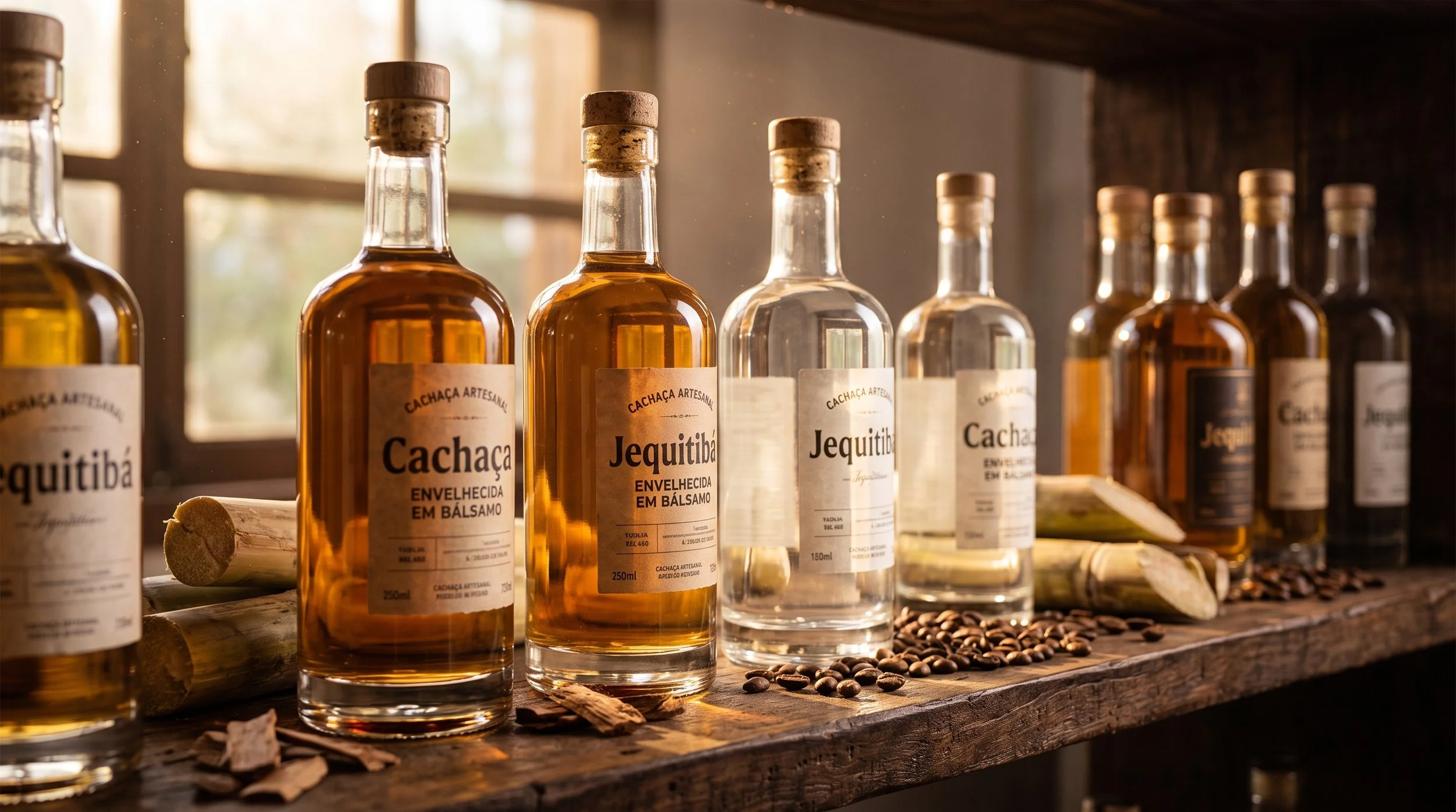
Discovering the complex wood-aging profiles of small-batch copper pot cachaça.
Regional Spices and Seasonings
Tempero Baiano: A fragrant blend originating in Bahia that combines ground oregano, basil, thyme, garlic powder, coriander seeds, and turmeric, serving as the essential foundation for fish stews, braised poultry, and grain dishes.
Cheiro-Verde: The foundational fresh herb pairing of flat-leaf parsley and scallions (and frequently cilantro in northern adaptations) that anchors Brazilian home cooking.
Pimenta Malagueta: Small, intensely hot wild peppers conserved in neutral cachaça or extra virgin olive oil, providing sharp fruitiness and clean, lingering heat.
Colorau (Urucum/Annatto): Mild, earthy ground seed powder used throughout Brazilian households to impart rich natural color and subtle flavor to rice, beans, and slow-cooked sauces.
Pure Brazilian Green Propolis and Native Oils
Brazil is an international leader in organic propolis production. Sourced primarily from the Africanized honeybee foraging on the wild rosemary bush (Baccharis dracunculifolia) in the highlands of Minas Gerais, green propolis is rich in artepillin-C, flavonoids, and natural antioxidants. A 30ml bottle of pharmaceutical-grade alcohol-free liquid extract (often maintaining 45% concentration) costs between 25 and 60 BRL. Additionally, cold-pressed Amazonian Copaíba resin oil serves as a traditional topical anti-inflammatory, generally priced between 20 and 50 BRL.
Packaged Confectionery and Savory Snacks
Biscoito de Polvilho: Light, airy, gluten-free cassava starch rings (available in sweet or salted versions) that represent classic Rio beach snack culture.
Pão de Mel: Spiced honey-and-clove mini cakes layered with artisanal doce de leite and enrobed in dark chocolate.
Artisanal Doce de Leite: Traditional farm-cooked milk caramels from Minas Gerais, packaged in glass jars or tins.
Travel Treats: Sealed packages of Guaraná Antarctica powdered extract, artisanal goiabada cascão (guava paste), and classic Coffee Rio caramels make durable, effortless gifts.
Navigating the Markets Like an Insider
Understanding market choreography, payment norms, and vendor etiquette separates seasoned shoppers from passing tourists.
Strategic Timing: Morning Selection vs. Afternoon Value
Neighborhood open-air street markets (feiras livres) generally set up by 6:00 AM and wrap up around 2:00 PM.
Early Hours (7:00 AM – 10:00 AM): Guarantees the absolute freshest produce selection, pristine flower arrangements, and quiet access to specialty dry-goods stalls.
The "Xepa" (1:00 PM – 2:00 PM): During the final hour, vendors actively cut prices and create bundle packages to clear remaining inventory before packing their trucks.
Payment Systems: Cash, Cards, and PIX
While Brazil has one of the world's most sophisticated digital payment systems, coverage at street-level stalls can vary:
Cards: Credit and debit cards are widely accepted across permanent stalls and brick-and-mortar market vendors.
Cash: Essential for smaller street stalls, fruit carts, and artisan fairs where portable card terminals may encounter cellular connectivity issues. Always carry smaller bills (10, 20, and 50 BRL), as vendors rarely carry sufficient change for 100 or 200 BRL notes.
PIX: Brazil’s instant central bank digital payment network is universal among locals, though it generally requires a Brazilian bank account and tax ID (CPF).
Negotiation Etiquette: Respectful Bargaining
Price discussions are an accepted part of open-air market culture, but aggressive haggling is considered poor form.
Approach vendors warmly with a friendly greeting ("Bom dia"), a smile, and polite requests ("por favor", "obrigado").
Expect modest discounts—shoppers often negotiate around 10% to 15% off total purchases when buying in volume, rather than steep cuts.
Vendors frequently reward friendly curiosity and repeat purchases by rounding totals down or slipping extra fruit, seasoning packets, or samples into your bag (o agrado).
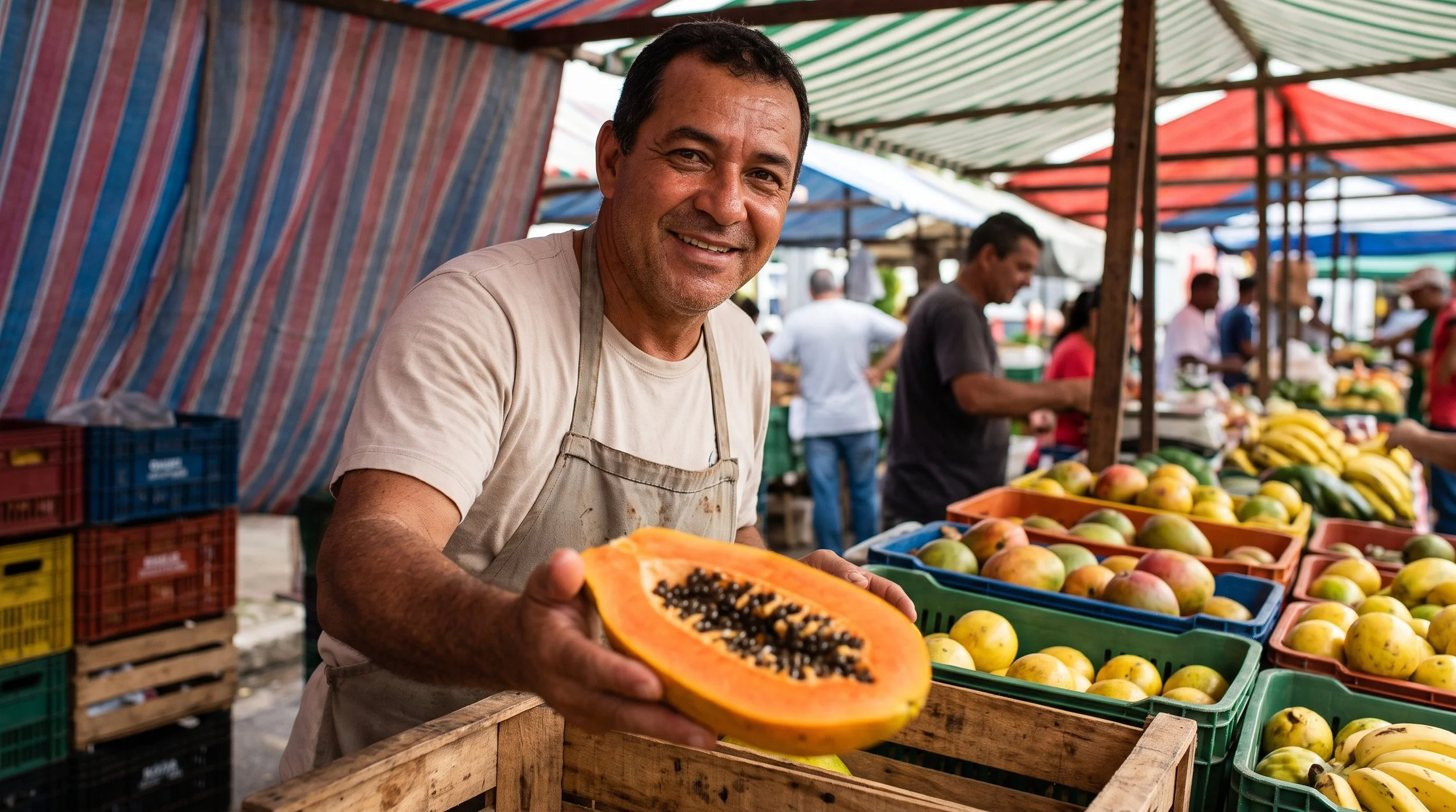
Authentic vendor relationships and generous hospitality at the neighborhood feira.
Customs Regulations and Transport Logistics
Ensuring your culinary finds successfully make it home requires aligning your purchases with international customs standards and airline baggage parameters.
Items Permitted for International Travel
International customs agencies generally permit commercially packaged, shelf-stable items intended for personal use:
Allowed: Commercially roasted and vacuum-sealed coffee beans, dried teas, industrially packaged chocolates, sealed honeys, shelf-stable fruit jams, cold-pressed vegetable oils, processed spices, and commercially bottled alcohol (subject to standard duty-free volume thresholds).
Hard/Cured Cheeses: Cured, aged hard cheeses that are vacuum-sealed commercially are generally allowed into most countries, whereas unpasteurized soft cheeses face heavy scrutiny.
Mandatory Declaration: Always declare all food products on your customs forms upon arrival in your home country. Undisclosed food items risk immediate confiscation and substantial fines, even if the goods themselves are technically permissible.
Strictly Prohibited Items
Agricultural and biosecurity regulations strictly prohibit entering foreign borders with:
Fresh fruits, vegetables, and unprocessed seeds.
Fresh, cured, or smoked meats and poultry products (including vacuum-sealed charcuterie, sausages, or dehydrated meat bouillons).
Homemade unsealed dairy products, raw eggs, and non-commercial botanical remedies.
Packing Strategies for Glass Bottles and Liquids
Checked Luggage Rules: All liquids exceeding 100ml (including spirits, propolis bottles, hot sauces, and honeys) must be placed in checked baggage.
The "Box-in-Box" Technique: For rare cachaça or wine, place bubble-wrapped bottles inside a rigid inner box, cushioned by at least 5 to 7 cm of packing material on all sides within an outer container.
Pressure Protection: Seal every liquid bottle inside heavy-duty zip-top plastic bags before wrapping in clothing or bubble wrap; atmospheric pressure fluctuations inside aircraft cargo holds can cause corks and caps to weep. Place glass items directly in the physical center of your suitcase, buffered by thick knitwear or towels.
Market Transit and Personal Awareness
A seamless market excursion combines practical urban transit choices with standard city mindfulness:
Transit Options: The Rio Metro provides fast, air-conditioned access between Zona Sul (Ipanema/Leblon) and Centro or São Cristóvão. For destinations like CADEG or Cobal do Humaitá, licensed taxis or premium ride-hailing services provide reliable door-to-door transit without navigation stress.
Discreet Preparedness: Keep personal belongings close in a secure, cross-body bag worn across the chest. Avoid wearing fine jewelry or flashing expensive smartphones in densely crowded wholesale lanes, and carry only the cards and cash needed for the morning.
Conclusion: Bringing the Rhythms of Rio Home
Exploring Rio's neighborhood food markets offers an unvarnished connection to Carioca culture that no standard souvenir shop can replicate. From the earthy notes of a Sul de Minas dark roast to the warmth of artisanal cachaça aged in native amburana wood, these authentic provisions let you take the true sensory spirit of the city back home with you.
At OBO Casa, our lofts in Ipanema feature full, custom-designed kitchens equipped with premium appliances, spacious prep surfaces, and elegant tableware. Whether you are brewing freshly ground single-origin coffee on your private terrace or preparing seasonal market produce after a morning on the sand, our spaces provide the perfect culinary haven in the heart of Zona Sul.
RESERVE NOW
Use code VOLTELOGO for your insider discount.
... and begin your journey.